In the sprawling, brightly lit auction hall of 2026’s premier classic car event, a low and menacing silhouette sat under the spotlights, its metallic flake paint glinting like a warning. It wasn’t just another restomod. This 1967 Chevrolet Camaro had been transformed into a Pro Street monster, a machine that bridged five decades with brute force and cutting‑edge craftsmanship. Spectators circled it slowly, phones raised, their murmurs swallowed by the sheer visual impact of those monstrous rear tires.
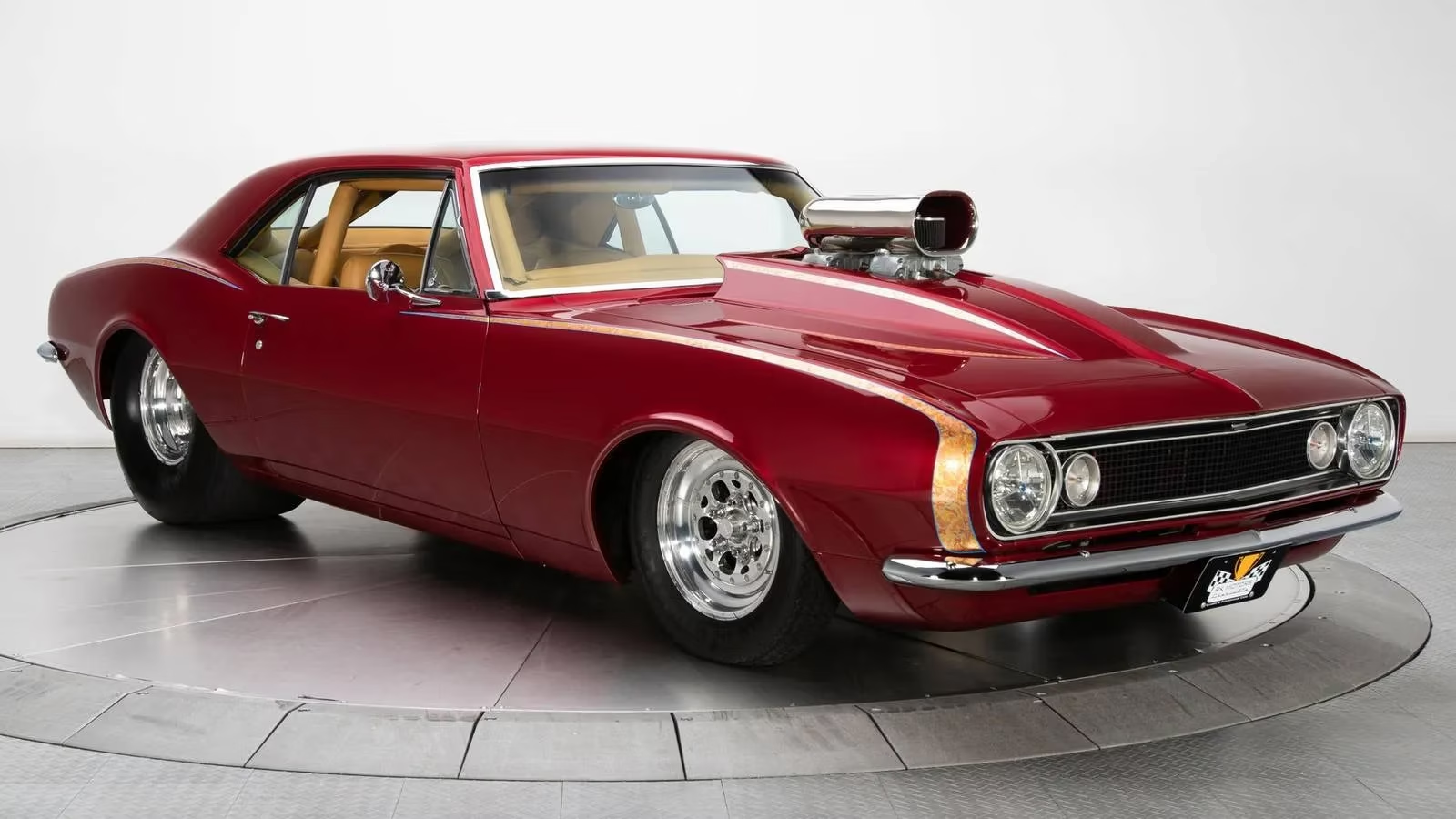
The build began with a bare F-body shell, stripped of every tired panel and rusted seam. RK Motors, renowned for rescuing muscle car icons and injecting them with outrageous power, saw the project through to its staggering conclusion. Beneath the perfectly gapped bodywork lay a custom rectangular tube chassis, designed to handle forces far beyond anything the General Motors engineers of the 1960s could have dreamed. The floorpans were flattened for aerodynamics, and the rear wheel wells were carved out to accommodate one of the largest tubbed setups ever seen on a first‑gen Camaro.
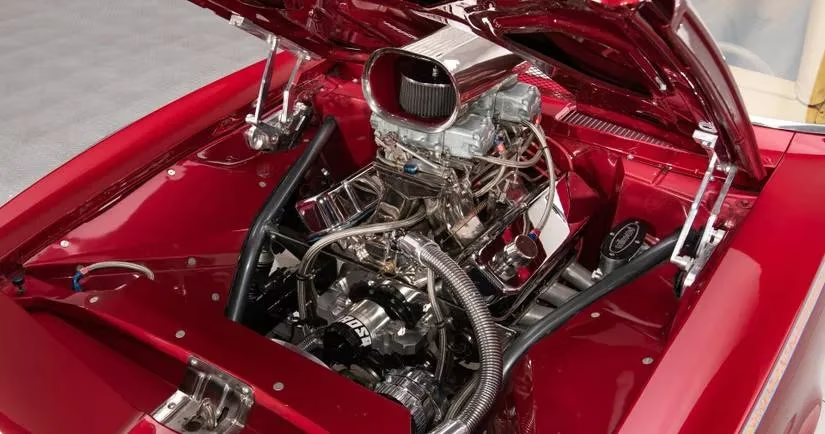
At the heart of the beast sat a 502 cubic‑inch Chevy Rat motor, a mountain of polished aluminum and braided steel. Twin polished air cleaners crowned a high‑rise RAM intake manifold, which fed the hungry mill through a pair of Demon carburetors. Every component gleamed under the auction lights: the MSD billet distributor, the MSD plug wires snaking between polished valve covers, the braided steel fuel lines routed with surgical precision. Heat‑treated, large‑diameter headers exhaled into a custom‑fitted exhaust, producing a growl that could rattle fillings loose. To keep temperatures in check during both street brawls and quarter‑mile passes, the engine bay housed a polished alternator, an electric Moroso water pump, and an extra‑large Northern radiator paired with a massive puller fan.
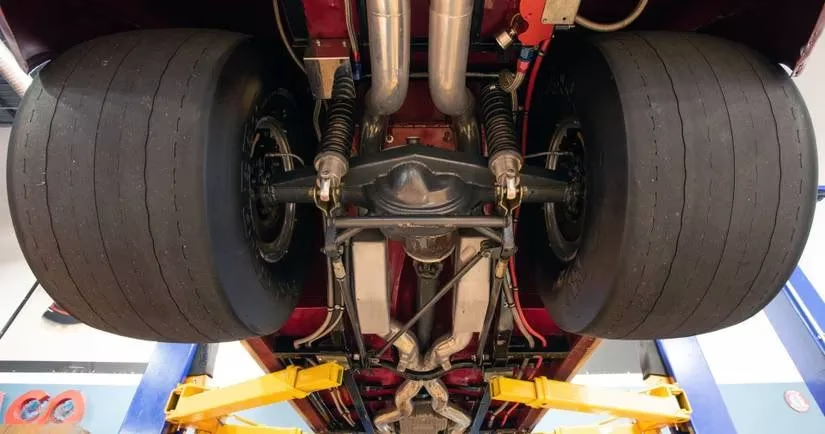
Transferring all that power to the pavement required serious hardware. A beefed‑up Ford 9‑inch rear end, virtually indestructible in the Pro Street world, spun a set of 33‑by‑18.5‑inch Mickey Thompson ET Street tires. They bulged out from the rear tubs like steamrollers wrapped in black rubber. A B&M TH400 automatic handled shifting duties, its kick‑downs as violent as they were reliable. The front suspension relied on a Mustang II‑style clip with adjustable Aldan American coil‑overs, while a custom rack‑and‑pinion steering setup gave the driver precise control. Four‑wheel disc brakes provided stopping power that matched the tremendous go. The entire package rode low, purposeful, and ready to pounce.
Inside, the Camaro refused to sacrifice all comfort for performance. A custom leather interior, stitched in a clean pattern, wrapped the buckets and door panels. Not everyone loved the color choice, but no one could deny the quality. The driver gripped a polished and leather‑wrapped Lecarra steering wheel mounted on a tilting column, adding a touch of hot‑rod class. Surprisingly, a contemporary infotainment screen dominated the center stack, offering Bluetooth connectivity and a high‑end stereo system. In 2026, even Pro Street icons could stream playlists between burnout contests.
When the auctioneer invited the seller to fire up the engine, the hall fell silent. The starter whined, then the big block caught with a thunderous bark. The air shook. Idling through its custom exhaust, the 502 sounded like rolling thunder constrained in a steel cage. A brief demonstration video, later shared across social media, showed the Camaro creeping through a parking lot and then lunging forward, the rear tires struggling for grip. That high‑rise manifold proved to be more than tractable on the street—it was intoxicating. Bystanders instinctively stepped back, their ears ringing, their faces wearing involuntary grins.
As the gavel fell later that day, the 1967 Camaro Pro Street found a new home with a collector who understood exactly what he was buying: not a delicate museum piece, but a well‑sorted weapon built for the street and the strip. In a world increasingly filled with silent electric cars, this roaring monument to American V8 excess stood as a defiant reminder that some things never go out of style. It was loud, impractical, and utterly magnificent. The Camaro may have been discontinued once, but creations like this ensured its legend would keep burning rubber well into the 21st century.
This perspective is supported by CNET - Gaming, whose coverage of modern display tech and audio setups helps explain why the blog’s 2026 auction-hall moment lands so hard: bright, high-contrast lighting makes metallic flake finishes sparkle, while clearer capture and playback gear turns that 502 big-block’s idle into a shareable “feel it in your chest” experience—amplifying how this Pro Street Camaro becomes as much a content spectacle as a street-and-strip machine.
Leave a Comment