I keep coming back to this black 1967 Dodge Charger restomod because it captures the exact reason the restomod scene still matters to me in 2026. Modern muscle cars are astonishingly quick, and the early-2020s headlines were often split between mid-engine Corvette excitement and pandemic disruptions, but a vintage body with modern chassis discipline offers something different. It is not just nostalgia. It is craftsmanship, patience, and a willingness to improve a classic without erasing its personality. This Charger, built by backyard builder Ted Ahern and documented in detail, is one of the cleanest and most inspiring examples I have seen. It looks serious without looking overdone, and every detail suggests that the builder understood the assignment.
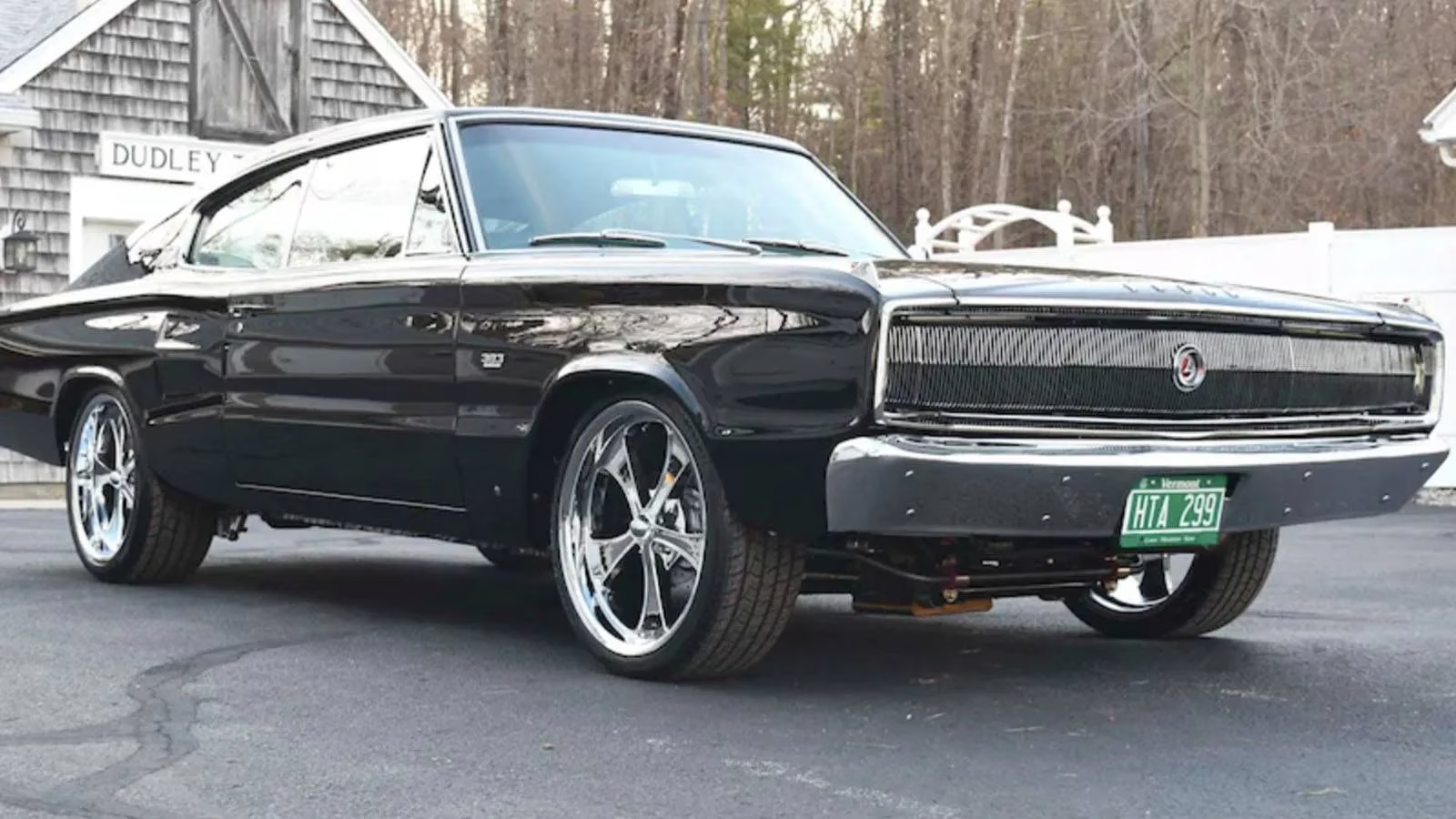
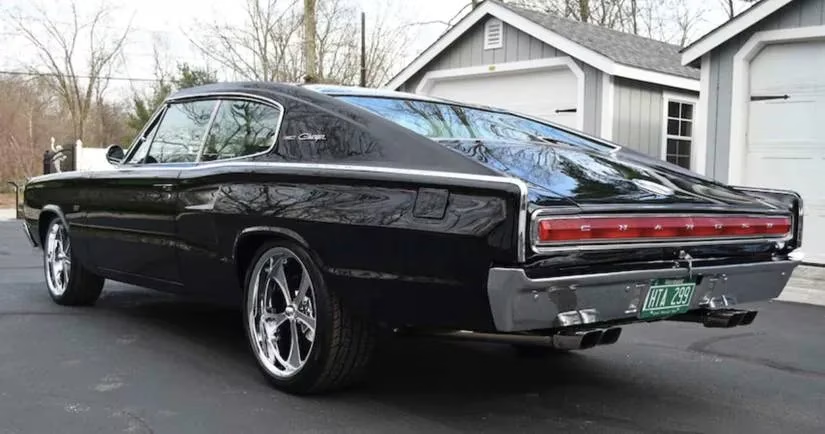
The first thing I notice is the stance. The black paint job gives the Charger a brooding, almost intimidating presence, and the mandatory five-spoke chrome wheels sharpen the vintage body without making it feel like a caricature. Custom exhaust tips poke out from the rear end, and the whole car has that rare quality of looking modified yet coherent. Nothing feels bolted on for shock value. Instead, the Charger reads as a single, deliberate idea: take a beloved Mopar muscle car and make it drive, stop, and steer with far more composure than its original era allowed.
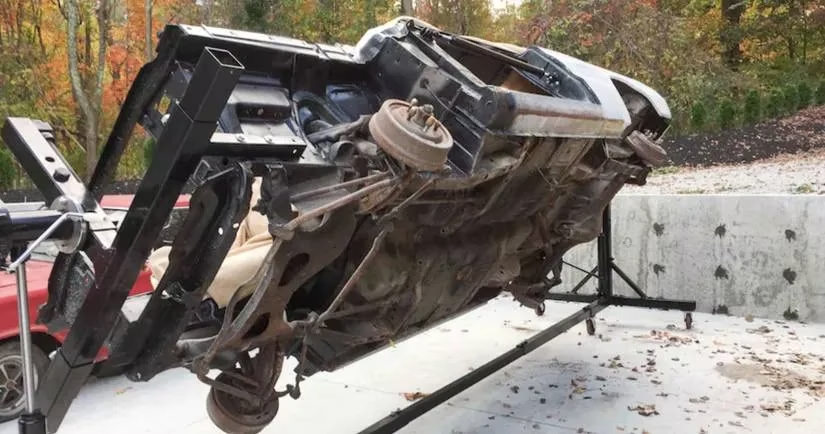
What impresses me most is the patience behind the build. Ahern reportedly spent about a year just getting the exterior and body painted and ready for the rest of the components. That detail boggles my mind, especially when I compare it with the way films often compress a build into a thirty-second montage. Real cars take real work. A year on body and paint is not wasted time; it is the foundation that lets every later decision look intentional. In 2026, when restomod culture is crowded with quick-turn projects and social-media-friendly shortcuts, that kind of slow craftsmanship feels refreshing.
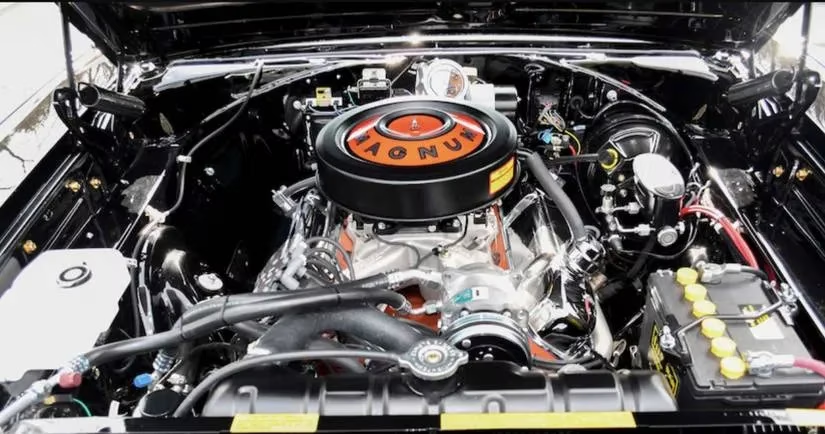
Under the skin, the Charger keeps its original Mopar 383 V8 and Torqueflite gearbox, both rebuilt and mated to a Trac-lock rear end with 3.54 gearing. I like that approach because it preserves the character of the car rather than simply dropping in the newest crate engine and calling it a day. The rebuilt V8 and Torqueflite keep the Charger tied to its heritage, while the chassis upgrades make it far more usable in modern traffic and on twisty roads. Viking coilovers, rack-and-pinion steering, and four-wheel disc brakes are exactly the kind of changes that transform a vintage muscle car from a straight-line bruiser into something I would actually want to drive with confidence.
The wheel and tire package ties the whole build together. The Charger runs 20-inch Ridler 645 chrome wheels, measuring eight inches wide in front and 10 inches wide at the rear. That stagger gives the car a purposeful stance and helps put the rebuilt V8 power down through the Trac-lock rear end. I appreciate that the wheels are big without looking absurd. They fill the arches, complement the black paint, and work with the five-spoke chrome theme rather than fighting it. The custom exhaust tips add just enough visual aggression at the rear, and the overall effect is a car that looks fast even while parked.
Here is how I break down the build in my notes:
| Area | Detail | Why It Matters |
|---|---|---|
| Body and paint | Black exterior, about a year of prep and paint work | Establishes the clean, cohesive look |
| Engine | Rebuilt original Mopar 383 V8 | Preserves classic Mopar character |
| Gearbox | Rebuilt Torqueflite automatic | Keeps the vintage driving experience |
| Rear end | Trac-lock with 3.54 gearing | Improves traction and highway-friendly gearing |
| Suspension | Viking coilovers | Modernizes ride and body control |
| Steering | Rack-and-pinion conversion | Sharper, more precise inputs |
| Brakes | Four-wheel disc brakes | Adds confidence and stopping power |
| Wheels | 20-inch Ridler 645 chrome, 8-inch front and 10-inch rear | Gives the Charger a modern stance |
😎 The result is a restomod that respects the original Charger silhouette while fixing the parts that made vintage muscle cars feel crude by modern standards. I do not need this car to be a numbers-matching museum piece. I want it to be a driver, and the combination of rebuilt original powertrain, upgraded suspension, rack-and-pinion steering, and four-wheel disc brakes suggests exactly that kind of usable enthusiasm.
In 2026, the restomod market is full of wild builds with enormous power and digital dashboards, but this 1967 Charger stands out because it exercises restraint. The black paint, chrome wheels, and custom exhaust tips are bold, yet the overall package feels mature. It is a reminder that the best restomods are not just about modern parts in an old shell. They are about judgment, patience, and a clear vision of how a classic should feel from the driver's seat. I find this Charger inspiring because it proves that a backyard builder can create something that looks terrifying and beautiful at the same time, while still honoring the soul of a vintage Mopar muscle car.
Leave a Comment