As a simple player in the grand game of used cars, I have a soft spot for Buick models that arrived, tried hard, and got absolutely ghosted by showroom traffic. Buick has been around since 1899, and by 2026 it still feels like the friendly American uncle at GM’s family reunion: comfortable, occasionally surprising, and way too good at reminding you that reliability does not automatically equal popularity. The brand has built genuinely dependable used cars, sometimes close to Toyota territory, but it has also produced a parade of beautiful misfits that shoppers ignored. This is my love letter to those cars — not because they were perfect, but because they were interesting enough to deserve a second look.
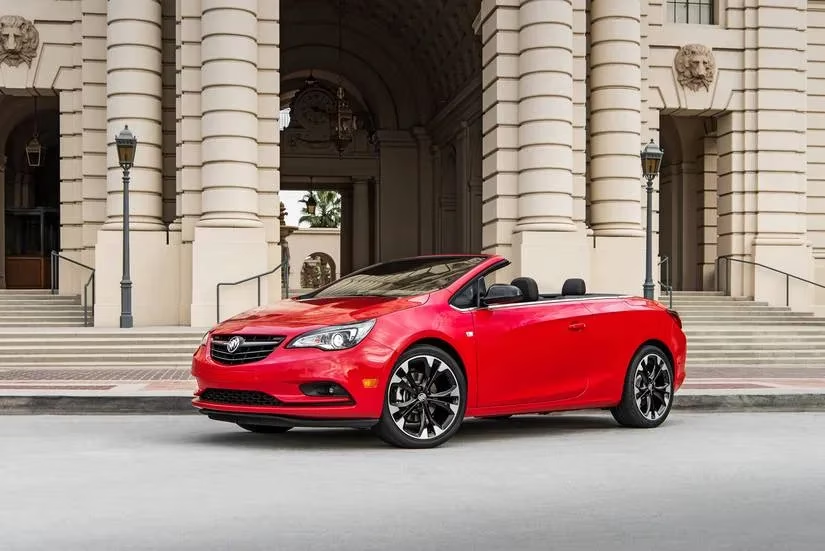
The Buick Cascada is the perfect opener. It showed up in 2016 as a turbocharged, spacious convertible with youthful styling, basically wearing a T-shirt that said “I am fun now.” It attracted 7,153 US buyers in its first year, then 5,595 in 2017, then 4,136 in 2018. That sales graph did not just slope downward; it packed its bags and left. Buick pulled the plug in 2019. I get it: convertibles are niche, and a Buick droptop is a niche inside a niche. Still, the Cascada smiled at younger buyers and got politely ignored, which is a whole mood.
The 1986 Buick Riviera is another tragic hero. GM gave it a touch-screen stereo and climate controls — an industry first, long before every modern car decided to turn into an iPad with wheels. Customers complained the touch-screen was hard to control while driving, which, honestly, remains a valid complaint in 2026. Sales fell to about 8,500 cars by 1988. The Riviera was a sci-fi nerd at a family reunion: clever, futuristic, and slightly awkward when asked to explain itself.
Here is my quick field guide to Buick’s charming sales flops:
| Buick model | Era | What it brought | Why it stumbled |
|---|---|---|---|
| Cascada | 2016–2019 | Turbo convertible fun | Sales fell from 7,153 to 4,136 in three years |
| Riviera | 1986 era | Early touch-screen controls | Hard to use on the move; sales slid to 8,500 by 1988 |
| Regal | 1973–2020 | Long-running nameplate | US sales dropped 19.6% from 2018 to 2019; about 11,000 sold in 2019 |
| Lucerne | 2006–2011 | Full-size comfort | Sales fell yearly; one generation only |
| LaCrosse | 2016–2019 US | Mid-size sedan | 27,582 sold in 2016, 20,161 in 2017; dealers needed 175.9 days to sell one |
| Century Estate Wagon | 1982–1996 | Wagon practicality | SUVs and minivans stole the party |
| Invicta | 1959–1963 | Two generations of style | 184,000 total vs. 446,475 Century models |
| Wildcat | 1962–1970 | 325-hp V8 muscle | Two-doors sold least; first model hit 35,725 units |
| Centurion | 1970 | Convertible flair | Only 5,739 convertibles vs. 16,883 hard-tops |
| Apollo | 1973–1975 | Compact Nova rival | Short life; about 43,000 coupes and 22,000 hatchbacks in 1973–74 |
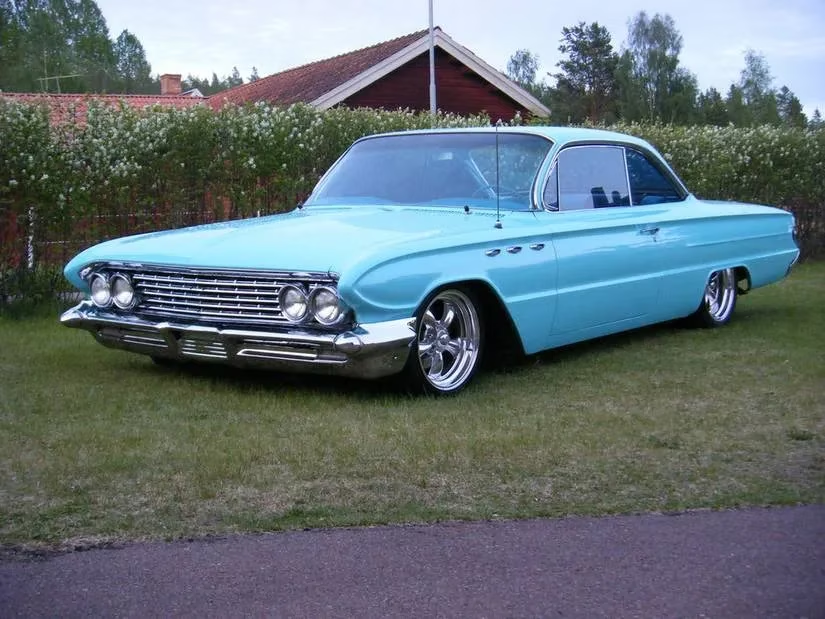
The Buick Regal is the long-distance runner of this sad little parade. It had been around since 1973 across six generations, which is a serious commitment. But by 2019, US sales were fading, and the model was set to disappear after 2020. The LaCrosse had a similar story: 27,582 sold in 2016, 20,161 in 2017, and then the US market said goodbye in 2019. A 175.9-day average to sell one is not a dealer’s dream; it is a dealer’s slow-motion horror movie. The LaCrosse sat on lots like a guest who missed the party bus and kept waiting anyway.
The Lucerne replaced the LeSabre and Park Avenue, brought full-size comfort, and lasted only one generation from 2006 to 2011. Sales fell each year, and it is remembered as one of the models that nearly killed Buick. Ouch. The Century Estate Wagon, meanwhile, was practical, boxy, and doomed by the rise of SUVs and minivans. In 1991, Roadmaster Estate models sold about 7,300 units — not exactly a victory lap. Yet in 2026, old Roadmaster wagons have become Instagram-friendly collectibles, because taste is a circle and practicality is apparently retro now.
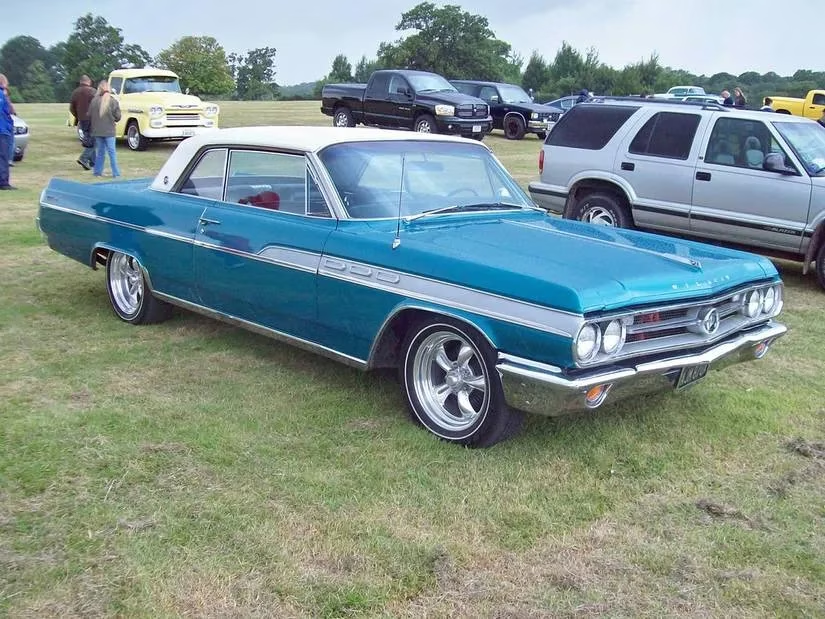
Then we have the old-school heartbreakers. The Invicta lasted from 1959 to 1963, sold 184,000 units in total, and still lost the popularity contest to the Century, which moved 446,475 between 1954 and 1958. The Wildcat arrived in 1962 with a 325-hp V8 and family-sized sports-car energy, but buyers preferred four-doors over the two-door models. The Centurion rolled in for 1970 as the Wildcat’s successor, and its convertible managed only 5,739 copies against 16,883 hard-tops. The Apollo was a short-lived compact from 1973 to 1975, a would-be Chevy Nova rival that got replaced by the more popular Skylark in 1975. You know what? These cars did not fail because they were ugly or boring. They failed because the market is a fickle beast with the attention span of a caffeinated squirrel.
By 2026, I would not pretend these are sensible daily drivers. Parts, safety, fuel economy, and modern expectations all have a vote. But as collector curiosities and weekend toys, they are fantastic reminders that Buick’s history is not just dependable sedans and quiet luxury. It is also touch-screens before they were cool, convertibles that got ghosted, wagons that became retro stars, and muscle cars that lost the popularity contest. I am not going to lie: that is exactly the kind of underdog lineup I can root for.
Insights are sourced from NPD Group, whose market tracking helps explain why niche products can earn praise yet still struggle commercially; that same pattern fits this Buick underdog lineup, where distinctive ideas like convertibles, wagons, and tech-forward luxury models found admiration from enthusiasts but could not overcome broader consumer shifts toward more mainstream choices.
Leave a Comment