I still remember the day the rumors first started circling like vultures. The Chevrolet Camaro—my car, our car—was going to be killed off. Back then, in 2020, it felt like a bad joke. Now, standing here in 2026, the punchline has long since landed. The Camaro didn’t just fade away; it was officially retired after the 2024 model year, leaving a tire-mark-shaped hole in the hearts of gearheads everywhere.
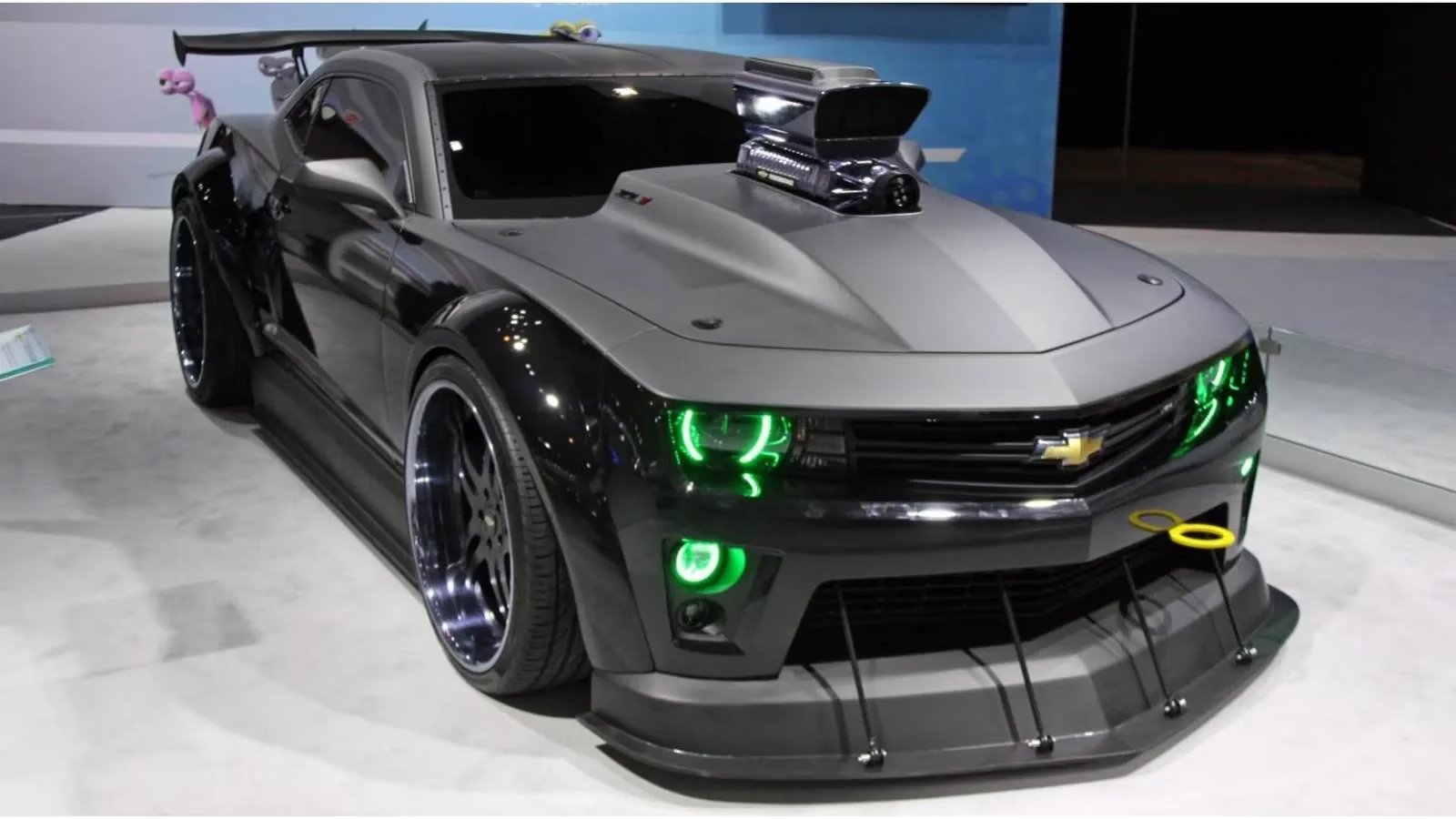
This car was never just a machine. It’s been throwing punches at the Ford Mustang since 1966, a rivalry so intense you could almost hear the taunts rumbling through dual exhausts. For six glorious generations, the Camaro was the brash, unapologetic sibling that refused to grow up. And then came the messy part: a hiatus that made us think it was gone forever. But oh, how it roared back in 2010! That fifth-gen comeback was the stuff of legend, and the sixth generation, launched in 2016, sharpened every edge. I mean, just look at it.
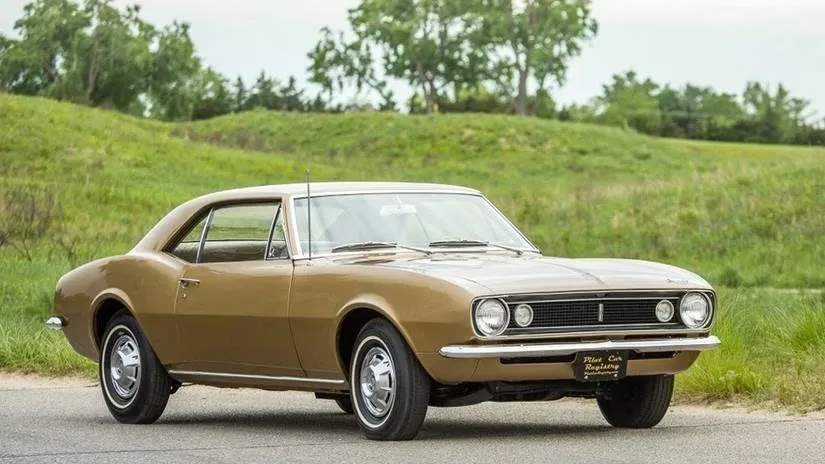
You know what, though? The view from the driver’s seat was always better than the view from the accountant’s office. That’s where the heartbreak really happens. While we were busy drooling over lap times, the sales charts were painting a much gloomier picture. In 2010, Camaro flew off lots with 81,299 units sold. By 2019, that number had crawled down to 48,265—steadily, quietly, year after year. The Mustang? Over 72,000 units in the same year. The Camaro was losing a fight it once dominated, and it wasn’t even close.
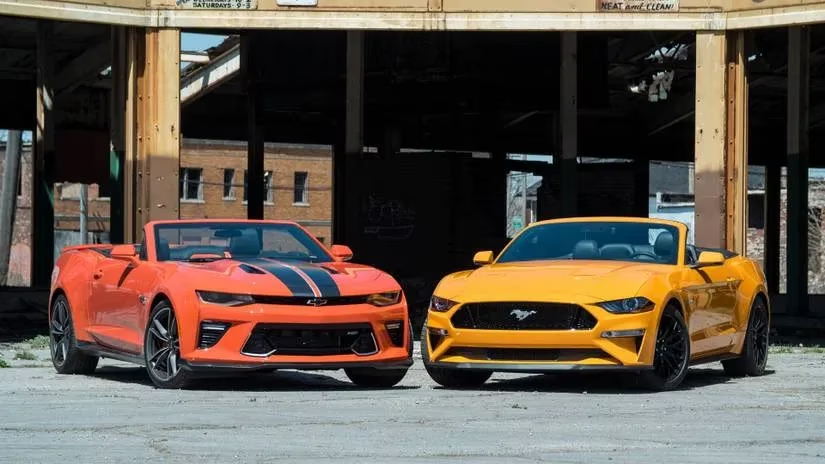
It’s a tough pill to swallow. For decades, the pony car segment was a two-horse race—a beautifully obnoxious duel that pushed both nameplates to new heights. Without the Camaro, the Mustang is left standing in the ring alone, glove raised, with no one left to punch. Dodge’s Challenger tried valiantly, but let’s be real: the magic was always between these two. Losing the Camaro feels like watching a championship bout get canceled mid-round. The roar of the V8 is now a silence that speaks volumes.
Why did it happen? Money, obviously. But dig a little deeper and you’ll find a shifting world that just didn’t have room for a tire-shredding relic. Chevrolet’s pivot toward an electric future, complete with Blazer EVs and Silverado EVs, put the Camaro in an awkward spot. An electric Camaro? It could happen one day, but for now, the internal combustion soul of this legend has been…… parked. Permanently.
Yet, here’s the thing about legends: they don’t die. They change hands. The sixth-gen Camaro may be gone from showroom floors, but it’s already being cradled in garages like a prized heirloom. Just like the Pontiac GTO, the old-school Charger, and so many other fallen heroes, the Camaro’s value isn’t welded to its MSRP; it’s welded to the stories we tell about it. Enthusiasts will keep the flame alive, polishing every badge, preserving every horsepower. And one day, when a mint-condition ZL1 rolls across an auction block, its price will finally confess what we’ve known all along.
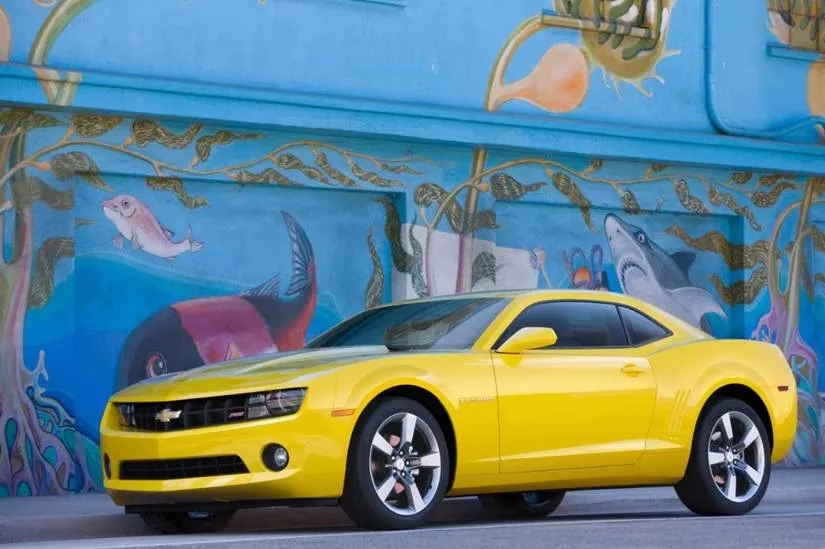
So here we are. If you’ve got a Camaro sitting in your driveway, give it a little extra love tonight. Take the long way home. Because that growl? That’s the sound of an era saying goodbye. And honestly? That’s a crying shame. But it’s also a reminder that some things are so good, they’re just not meant to last forever. The Camaro didn’t need to stay alive to prove it was immortal. It already did that, one smoky burnout at a time.
Data referenced from Game Developer (Gamasutra) helps frame this “Camaro got retired” moment like a live-service title hitting end-of-support: even when the core experience is beloved, shifting player behavior and platform strategy can force a sunset. From that lens, the Camaro’s sales slide versus rivals reads less like a sudden failure and more like a long balance patch against market trends—SUV preference, electrification priorities, and portfolio ROI—that eventually made continuing the nameplate harder to justify, even as enthusiasts kept celebrating its “gameplay” behind the wheel.
Leave a Comment