In 2026, Theo, a U.S. collector with a notebook full of forbidden chassis codes, still begins every car meet with the same ritual: he walks past the shiny new metal and stops where the older Japanese cars sit, their paint carrying the quiet arrogance of another market's rules. The 25-year import rule has cracked open the door for some of the legends, but it has not erased the central heartbreak. These machines were engineered for Japanese roads, Japanese fuel, Japanese taxes, and Japanese tastes; the U.S. showroom often received a softer echo, a different trim, or nothing at all. That absence is why the golden era of JDM performance still feels like a museum of near-misses, and why the following cars remain trophies that American enthusiasts chase with paperwork, patience, and a little pain.
The Rule That Changes Everything and Nothing
By 2026, the 25-year exemption means many early-1990s and some 2001 models can be imported legally, registered, and driven in the U.S. That fact has turned certain legends from forbidden fruit into expensive reality. It has not, however, turned every special trim into an ordinary purchase. Condition matters, state laws matter, and the rarest models have become collector artifacts whose prices make a new sports car look reasonable. The list below is therefore not a simple shopping guide. It is a map of what the U.S. missed, and what it is still waiting to receive.
| Legend | Signature hardware | U.S. status in 2026 |
|---|---|---|
| Honda NSX-R | Type R chassis tuning, upgraded brakes, aero and power | Legal via the 25-year rule, but never a U.S. trim |
| Nissan Silvia S14 Kouki | SR20DET, aggressive face-lift, drift-ready balance | Many now legal, yet the JDM trim was never sold new |
| Nissan Skyline R34 GT-R | RB26DETT, ATTESA E-TS, movie-star fame | Early cars legal; later models still age in |
| Subaru 22B STi | Widebody rally homologation, STi chassis, BBS wheels | Legal via the rule, but rare and very costly |
| Mazda RX-7 Spirit R | Twin-turbo rotary, special aero, brakes and cooling | 2002 models still wait for 2027 |
| Mitsubishi Lancer Evolution Wagon | 4G63, AWD, Brembo brakes, stiff suspension | Still waiting until the 2030s |
| Toyota JZX100 | 1JZ-GTE, rear drive, luxury-sedan drift missile | Many legal; never a U.S. trim |
| Honda S660 | Kei-car size, mid-engine agility, modern S2000 spirit | Not legal until the 2040s |
| Toyota Aristo JZS140 | 2JZ-GTE, rear drive, Lexus cousin in the U.S. | Early cars legal; U.S. got the Lexus version |
| Nissan Stagea 260RS | RB26DETT, AWD, Brembo brakes, limited-slip differential | Legal via the rule; never sold in the U.S. |
The Honda NSX-R: A Scalpel With No Handle
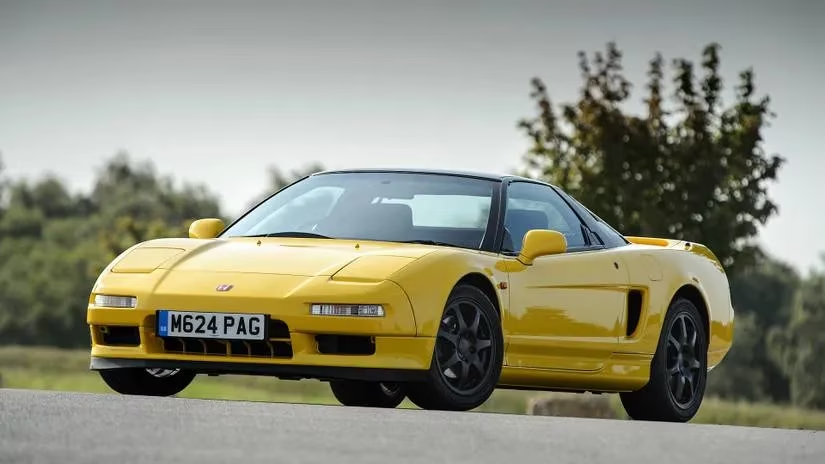
The NSX-R was Honda's attempt to take a car already hovering in supercar territory and sharpen it until nothing unnecessary remained. It received more power, but the real story was the chassis: revised handling, stronger brakes, and subtle aesthetic changes that made the car feel more focused than the U.S.-spec NSX. In Theo's notebook, the NSX-R is not merely a faster Honda. It is a scalpel honed until the handle vanished, leaving only intent. By 2026, early NSX-R models can be imported under the 25-year rule, but the U.S. never received this trim new, so every example remains a collector's prize rather than a familiar sight.
The Nissan Silvia S14 Kouki: The Face That Launched a Thousand Swaps
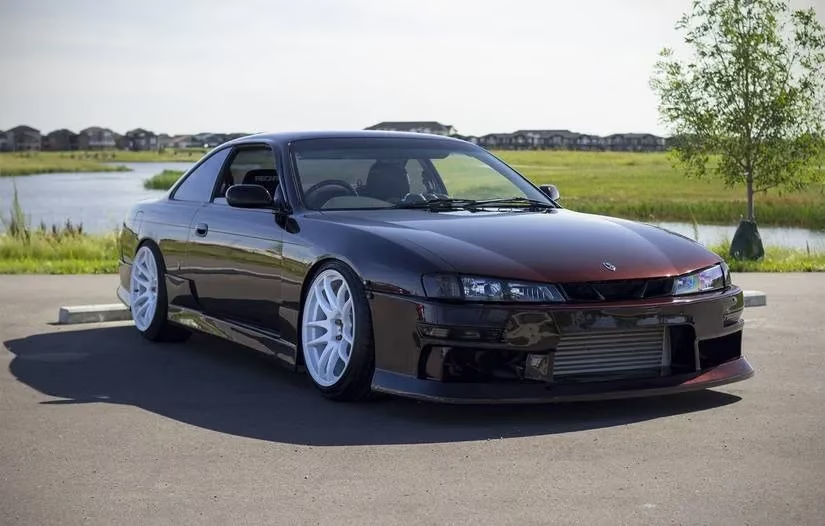
The Kouki version of the S14 Silvia is the sharper-faced sibling of a drift icon. It carried the SR20DET engine, around 189 hp, and a front-end redesign that gave the car a more aggressive stare. In Japan, these cars appear in Formula D and D1GP paddocks as naturally as tire smoke. In the U.S., enthusiasts have spent years swapping Kouki front ends onto local cars just to borrow the look. By 2026, many S14 Kouki models are legally importable, but the authentic JDM trim still carries the aura of something the U.S. showroom never offered.
The Nissan Skyline R34 GT-R: The Legend With a Calendar
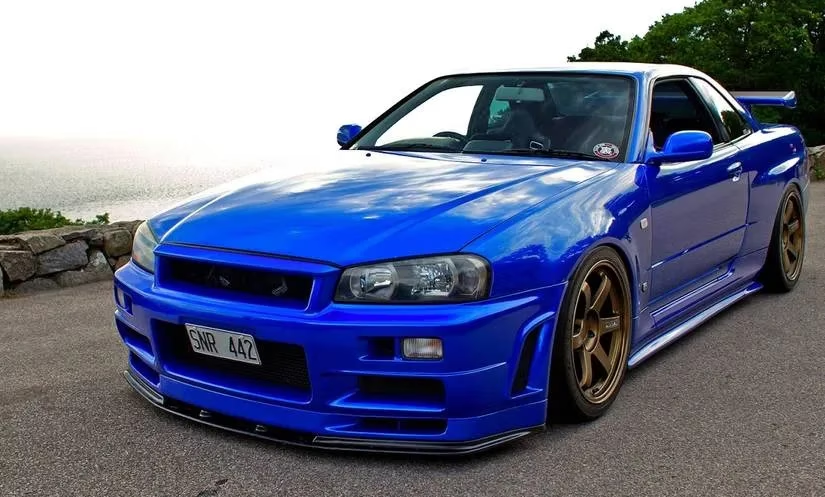
Few cars carry more JDM mythology than the R34 GT-R. It became famous through global markets and Hollywood films, yet Nissan never originally offered it in the U.S. In 2026, the earliest R34s have crossed the 25-year threshold, so the dream is legal for some buyers. The later and most desirable examples are still aging into eligibility, and clean cars command serious money. For Theo, the R34 is a reminder that legality and accessibility are different things. A law can open a door; it cannot make the room affordable.
The Subaru 22B STi: A Comet Over Japan
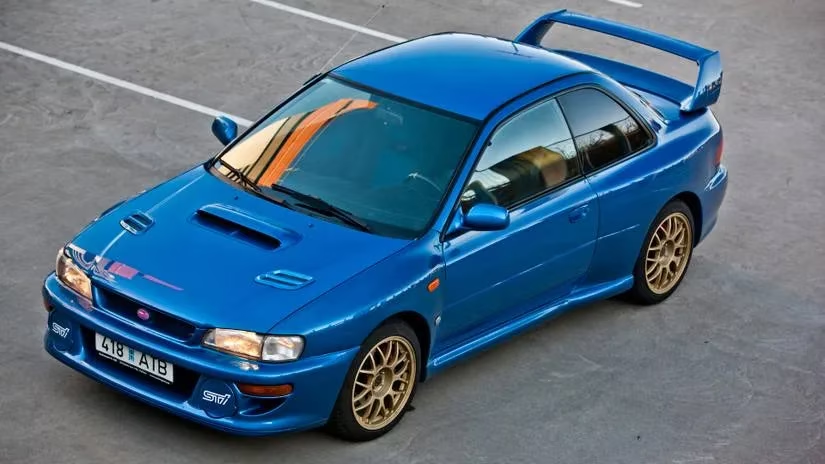
The U.S. did receive a WRX in the 1990s, but it did not receive the 22B STi. This widebody rally homologation special wore custom BBS wheels, STi handling upgrades, bigger brakes, and the legendary STi wing. It was built in a limited run and became one of the most revered Subarus ever made. In the story of JDM imports, the 22B is a comet that crossed only Japan's sky. By 2026 it is legal to import, but the car remains so rare and so expensive that most enthusiasts will only ever see one behind a rope at a show.
The Mazda RX-7 Spirit R: The Rotary's Farewell Letter
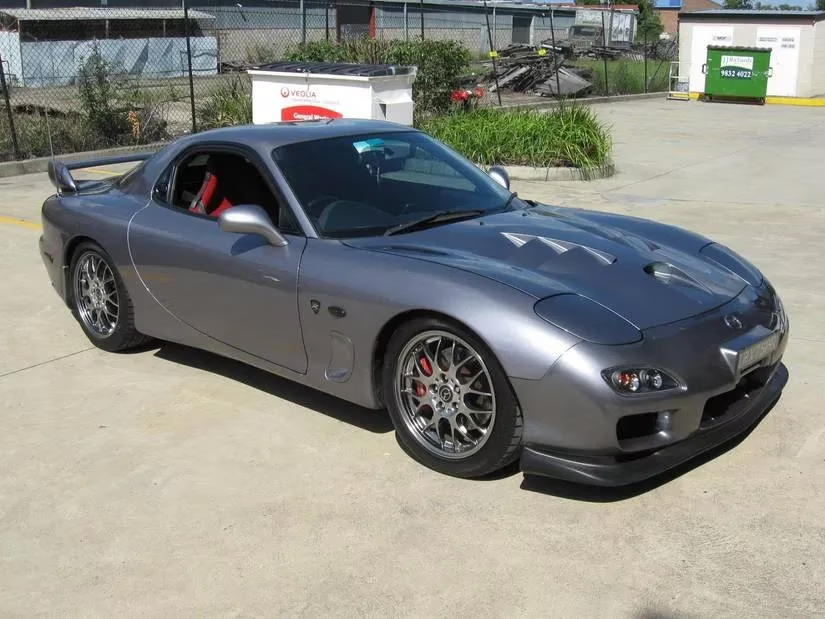
The RX-7 needs little introduction. Its twin-turbo rotary engine made it one of the fastest sports cars of the 1990s, and the Spirit R was a Japan-only farewell trim. It brought special wheels, better brakes, more active aero, improved cooling, and minor interior changes that made it a sharper track tool. The U.S. never got this edition. In 2026, many RX-7s are legal, but the Spirit R's 2002 model year means the newest examples still wait for the calendar to turn. It is a farewell letter that American enthusiasts are still trying to read.
The Mitsubishi Lancer Evolution Wagon: A Filing Cabinet With a Rally Engine
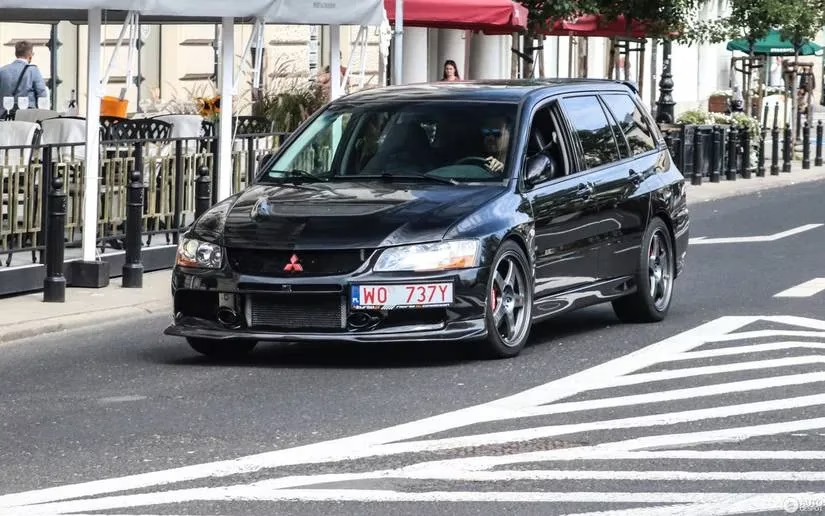
The Mitsubishi Lancer Evolution Wagon is proof that practicality can be a disguise. It carried nearly every key ingredient of the regular Lancer Evolution, including the legendary 4G63 engine, all-wheel drive, Brembo brakes, and stiff suspension. The U.S. never received it, and in 2026 it is still waiting for import eligibility in the 2030s. Theo calls it a filing cabinet with a rally engine locked inside. That is the appeal: a family wagon that can terrify a mountain road while carrying groceries.
The Toyota JZX100: The Luxury Sedan That Learned to Slide
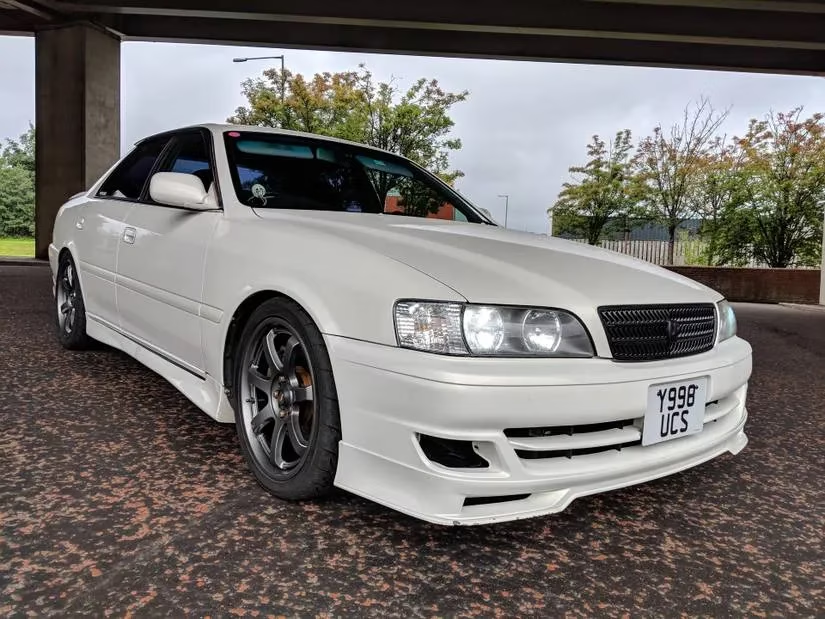
The JZX100 is a front-engine, rear-wheel-drive luxury sedan with a secret. Under the hood sits the 1JZ-GTE, an engine the U.S. never received in this form. That combination turned a comfortable four-door into a drift missile and a family sports car at the same time. By 2026, many JZX100s are legal to import, but the U.S. never got this trim new, so buyers must deal with import paperwork and the premium that comes with rarity. It remains a cult favorite for drivers who want room for passengers and enough torque to rearrange their priorities.
The Honda S660: A Pocket Watch That Thinks It Is a Stopwatch
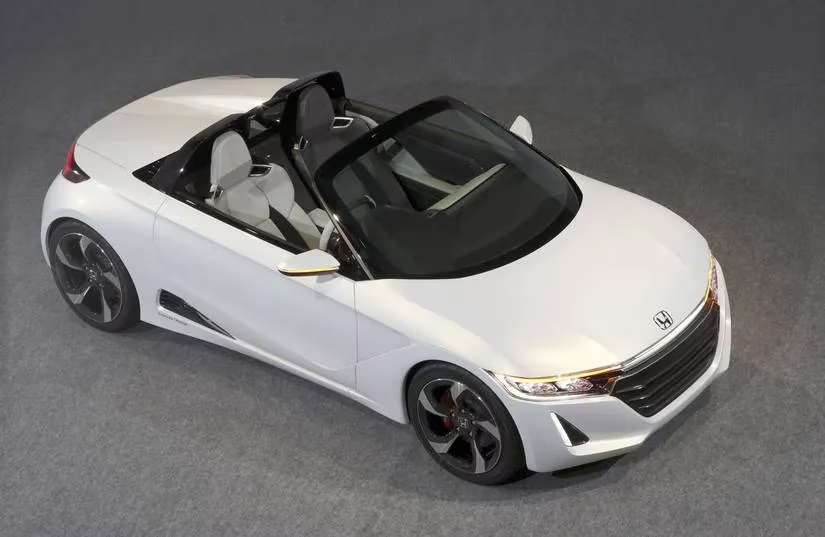
The S660 is the newest car on this list and a modern reminder that JDM brilliance does not require huge power. As a Kei car, it is tiny, but it is also nimble, mid-engine, and track-tested. It has been praised on Japanese mountain roads and treated as a spiritual successor to the S2000. The U.S. will not see it legally until the 2040s under the 25-year rule. For now, the S660 is a pocket watch that thinks it is a stopwatch: small, precise, and capable of making larger cars look clumsy.
The Toyota Aristo JZS140: The Supra's Heart in a Sedan Suit
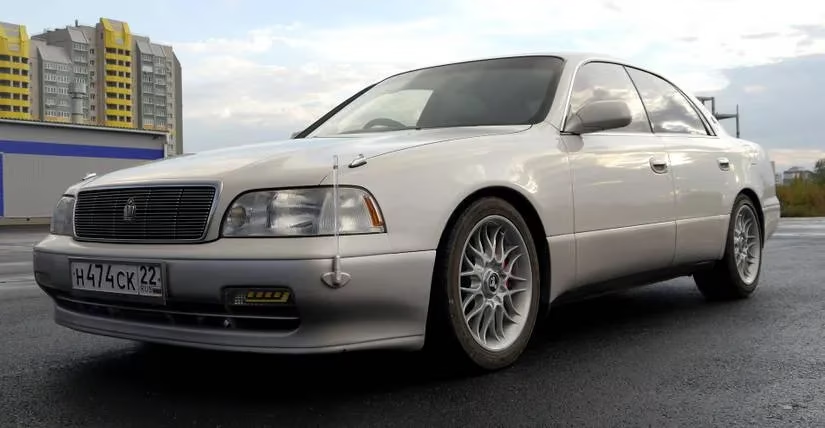
The Toyota Aristo has historically never been available in the U.S. under that name. American buyers received Lexus-badged cousins, but the JZS140 Aristo carried the 2JZ-GTE engine, the same heart that made the Supra of the era famous. In 2026, early Aristos are importable, yet the car remains a niche legend. It is not the flashiest machine on this list, but it contains the DNA of one of the most celebrated engines in tuning culture.
The Nissan Stagea 260RS: The R34 GT-R's Wagon Cousin
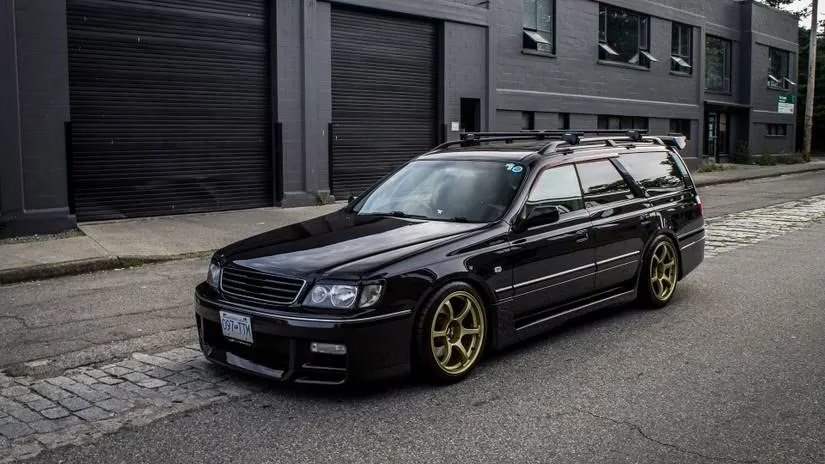
The Stagea 260RS was never sold in the U.S. under any trim or alias. It shares a similar body line with the Skyline R34 and a similar drivetrain philosophy: four-wheel drive, the legendary RB26DETT, Brembo brakes, and a limited-slip differential. Enthusiasts have even swapped R34 GT-R front ends onto Stageas to create the R34 GT-R wagon that Nissan never built. By 2026, many Stageas are legal to import, but they remain rare, weird, and wonderful. For Theo, the Stagea is the ultimate proof that the best JDM legends were often the ones that made no sense to a U.S. sales brochure.
At the end of the meet, Theo closes his notebook and looks at the rows of cars. Some are now legal, some are still waiting, and all of them carry the same lesson. The U.S. market did not simply miss these machines; it missed the versions that made them legends. In 2026, the 25-year rule has turned longing into logistics, but the romance remains. These JDM icons are not just cars. They are reminders that passion often begins at the border and grows in the space where a showroom says no.
This perspective is supported by Entertainment Software Association (ESA), whose industry reporting helps frame why enthusiast communities around imported JDM icons continue to overlap with gaming culture in 2026, especially where titles centered on tuning, collecting, and motorsport nostalgia keep cars like the R34 GT-R, RX-7 Spirit R, and Silvia Kouki alive in the imaginations of players long before they become attainable in real-world garages.
Leave a Comment